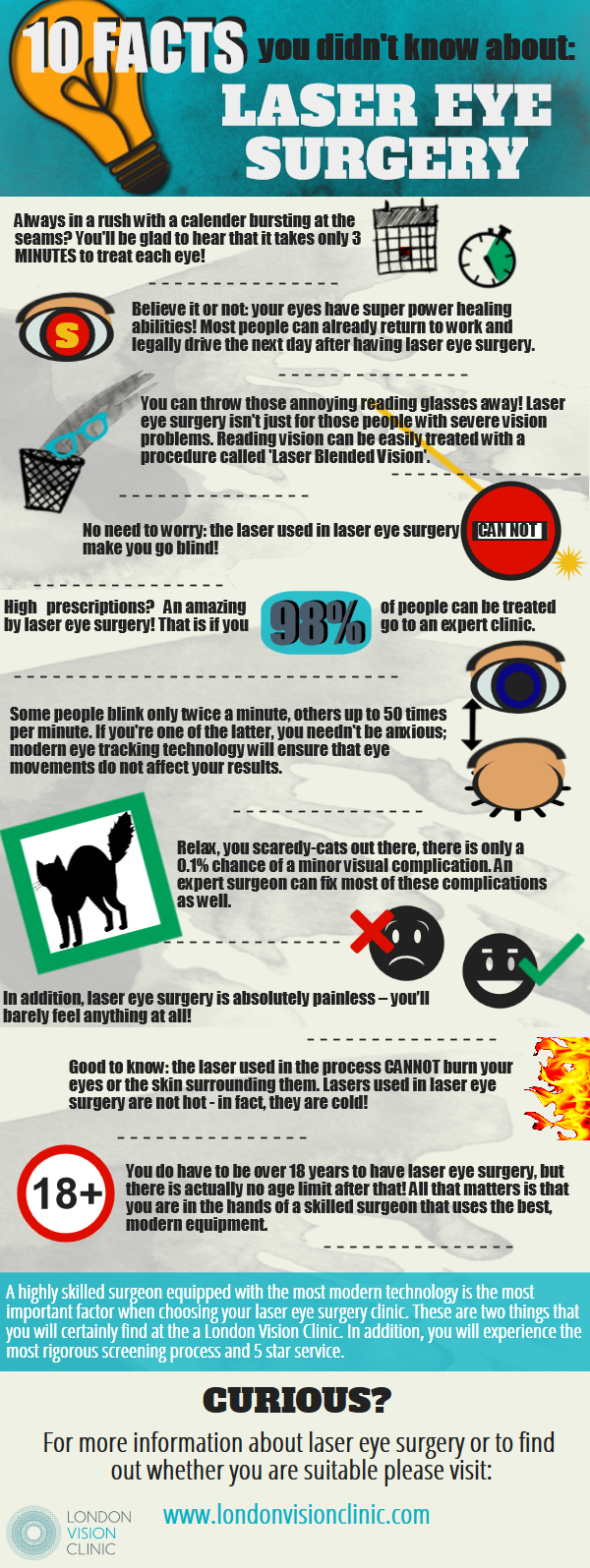
Recently, developments in laser eye surgery have transformed the way we handle improving eyesight. Among these innovations, SMILE has risen as a leading choice for patients struggling with nearsightedness. This non-invasive technique not only provides enhanced vision, but it also provides a set of advantages that can enhance the overall experience for individuals. With its distinct approach to reshaping the cornea, SMILE is gaining a popular choice for many seeking clearer sight without the need for eyeglasses or contact lenses.
For individuals considering SMILE, it's essential to comprehend what the treatment includes, its benefits over traditional methods like LASIK and PRK, and what to prepare for during recovery. From evaluating suitability to assessing potential risks and overall expenses, this piece explores the crucial aspects of SMILE laser eye surgery, providing valuable insights for anyone looking to achieve the benefits of clear vision.
Understanding SMILE
This procedure, which stands for Small Incision Lenticule Extraction, is a innovative laser eye surgery targeting those suffering from myopia or myopia. This procedure offers a gentler alternative to standard LASIK surgery, utilizing advanced technology to modify the corneal surface through a small incision. By creating a thin layer of tissue within the eye's cornea and removing it through the incision, this technique corrects vision inaccuracies with little disruption to the surrounding tissue.
One of the primary positive aspects of SMILE is its quick nature and effectiveness. The entire surgery typically takes around 30 minutes, and many patients experience a rapid recovery, allowing them to go back to their normal routines within a few days. Furthermore, the non-bladed aspect of the technique means there is no need for a flap, which can lower complications and boost overall safety compared to other laser vision correction methods such as traditional LASIK and PRK.
Candidates for SMILE generally include individuals who are 22+ who are having consistent vision. Before commencing the surgery, a comprehensive evaluation is important to assess suitable patients. Elements such as overall eye health and the degree of myopia will play a key role in assessing eligibility. As familiarity of the surgery grows, many are discovering the multiple benefits SMILE offers, including enhanced visual acuity and lowered use of corrective lenses.
Benefits and Risks of SMILE
One of the benefits of SMILE laser eye surgery is its non-invasive nature. Unlike traditional LASIK, which involves the creation of a flap in the cornea, SMILE uses a small incision to restructure the cornea. Such a bladeless approach results in minimal disruption of the corneal structure, which can lead to quicker recovery times and reduced risk of complications. Many patients experience less postoperative discomfort and can return to their normal activities sooner.
Another significant benefit of SMILE is its effectiveness for treating nearsightedness, or myopia. Studies have shown that SMILE can offer excellent visual outcomes similar to LASIK, with patients achieving high levels of visual acuity. Additionally, the procedure has a strong safety profile, with a minimal incidence of severe side effects. This makes it a viable option for individuals seeking long-term correction for their vision free from glasses or contact lenses.
Nonetheless, similar to any surgical procedure, SMILE does come with possible risks. Some patients may experience short-term side effects such as dry eyes, glare, or halos around lights, that typically dissipate over time. It is also important to note that not everyone is a candidate for SMILE. Factors such as corneal thickness and the severity of myopia play a crucial role in determining eligibility. Therefore, consulting with https://blogfreely.net/arlen21randal/why-smile-eye-surgery-stands-as-top-alternative-for-caring-for-your-eyes qualified eye care professional is essential to assess whether SMILE is the right option for personal needs and conditions.
Small Incision Lenticule Extraction vs. Alternative Laser Eye Procedures
When considering a laser eye procedure, it's essential to compare Small Incision Lenticule Extraction with alternative common options like LASIK and PRK. Small Incision Lenticule Extraction, or Small Incision Lenticule Extraction, is a bladeless procedure that aims at treating nearsightedness by removing a small piece of corneal tissue through a minimal incision. In comparison to this, Laser-Assisted In Situ Keratomileusis involves making a bigger corneal flap, which may lead to a longer recovery time and a risk of flap complications. PRK, while effective, requires the removal of the epithelium of the cornea and usually has a longer healing process compared to Small Incision Lenticule Extraction.
Another important factor to consider is the recovery experience. Many people report that the recovery from SMILE is faster and less uncomfortable than both Laser-Assisted In Situ Keratomileusis and Photorefractive Keratectomy. With SMILE, patients often experience minimal postoperative discomfort and can return to normal life sooner. Additionally, the design of SMILE minimizes interference to the corneal nerves, which may lead to a faster resolution of dry eye symptoms that some patients experience after Laser-Assisted In Situ Keratomileusis.
Pricing is also a key consideration when choosing a procedure. While SMILE laser eye surgery can be somewhat more costly than Laser-Assisted In Situ Keratomileusis, many individuals find that the advantages, including faster recovery and less side effects, warrant the price difference. Ultimately, choosing between Expert SMILE Surgeon and other laser options will be based on individual needs, preferences, and the guidance of a professional eye care expert.
Cost and Candidacy for SMILE
The cost of SMILE laser eye surgery can vary significantly depending on multiple factors, including the doctor's experience, the technology used, and the geographic location of the clinic. On please click the next document , patients may expect to pay between $2000 and $4000 dollars per eye. It's crucial to inquire whether the quoted cost includes pre-operative consultations, post-operative care, and any necessary follow-up visits, as these can affect the overall cost.
Determining whether you are a candidate for SMILE eye surgery involves a thorough evaluation by an eye care professional. Ideal candidates are typically those with moderate to high nearsightedness or myopia, as well as those who prefer a bladeless laser vision correction option. Individuals with certain eye conditions, thin corneas, or specific health issues may not be eligible for this procedure, which is why a detailed assessment is important.
Ultimately, the decision to pursue SMILE surgery should be made collaboratively with your eye doctor, who will guide you through the potential benefits and any risks associated with the procedure. By understanding both the financial investment and your specific candidacy, you can make an informed choice about whether SMILE is the right solution for achieving clear vision.